Freeing the Writer Within
Natalie Goldberg
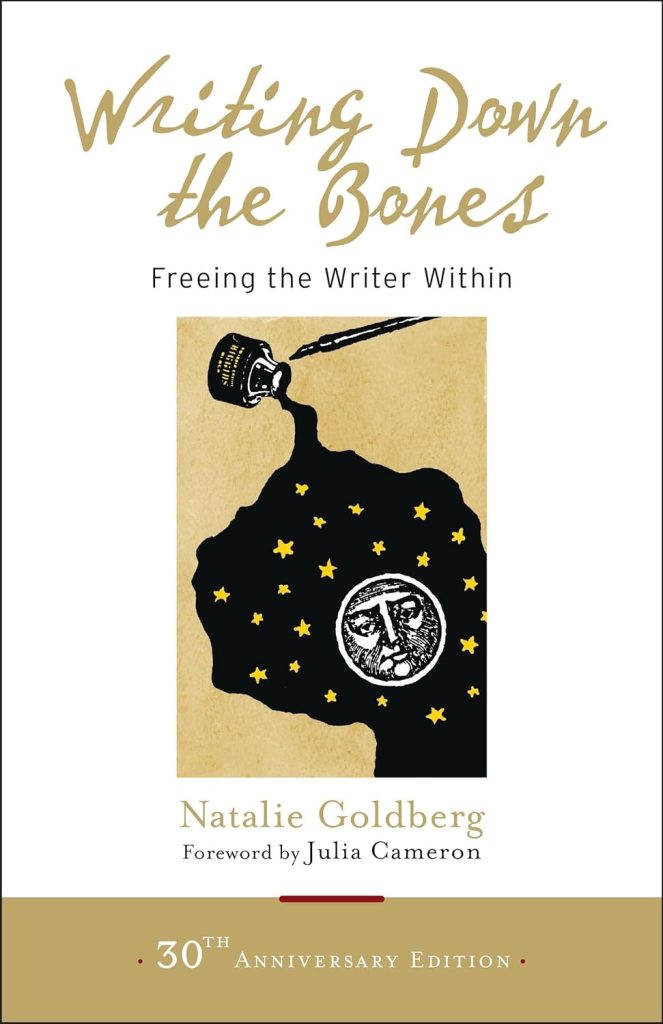
I am always interested in reading books about the craft of writing. As a writer myself, it is always interesting to learn about the craft from other writers. I had heard a lot about this book and wanted to read it to see if I could learn more about the craft of writing.
In the introduction, the author talks about why she wrote the book and how to hell people who want to write. She talks about writing with your mind and we must understand our mind right so we can write. Each chapter can be a standalone chapter and process or thought.
In her first chapter on writing materials, the author prefers pen and paper. She talks about the kinds of and paper she uses and is against computers because you will always have pen and paper but you may not always have access to your computer. I cannot write with pen and paper as a quadriplegic, so a computer is my only option. This chapter is a little dated because technology has advanced to such small machines that you have access to this writing resource even in your pocket and hand.
In her chapter on your first thoughts, she says you should write whatever comes to mind and not be concerned with editing it or smoothing it over or resent it. Write it as it is in your mind and it will probably be the best writing on that topic. I have found that I have to edit my first thoughts on a topic to refine them.
She says about the writing practice that you must keep doing it every day and you will eventually want to do it more. You just have to start writing. She describes the process as composting – letting your mind gather everything together, so it is worth putting on the page. This is a good habit that will pay dividends for you.
She described stability in writing with notebooks that help to get your thoughts on the page. She suggests writing down a list of topics to write about. Your mind begins to turn them over. It gives her mind a focusing agent. I also use this practice and find it to be like writing before writing.
She writes about “fighting tofu” in your mind. The fighting that happens in your mind that keeps you from writing is something you can write about to get rid of it. In the writing practice, don’t allow yourself to be guilty about your writing speed, goals, or how long it will take.
She has a unique voice as she refers to the common problems and questions writers have about writing. From topics like your inner editor keeping you from writing, separation between art and artists, not allowing your obsessions to control your writing, writing details and listening and observing your surroundings, how to deal with complements, imagining what the objects and people you write about feel, and so many more topics.
I like her positive message about not doubting yourself as a writer. She advises having new experiences and even paying more attention to the common experiences you have. They will make you a better writer. She gives writers permission to trust themselves and their writing. She says success is different for everyone.
There were a lot of good snippets to grab from her book on writing. I enjoyed her unique perspective and the wide range of topics she covered. I had some trouble following the book and realized that it is somewhat random in its approach. Because each chapter can stand alone, there is no discernible structure to me. Goldberg is a poet at heart and I think this affects how the book is laid out and the kind of advice she gives. It is still a valuable resource for writers. I recommend this book to any writer who would like to learn more about the writing process from a seasoned writer. You can benefit from any book on writing. You will find some more accessible to yourself and others, but you can learn from anyone practicing the same craft.